12 min read
FAQ – Roof Tent Questions
Clear answers to the most common questions about roof tents, car compatibility, roof racks, Wild Land, installation, care, shipping, returns and warranty.
Product Choice
Answers for customers comparing models, sizes and tent types.
Which is the best rooftop tent?
The best rooftop tent depends on how many people will use it, your car's roof load capacity, and whether you prefer a hardshell or softshell model. For many customers, our most popular recommendation is the Voyager Pro series, available in 130, 160 and 230 sizes, because it combines fast setup, strong construction and everyday practicality.
Which rooftop tent is best for families?
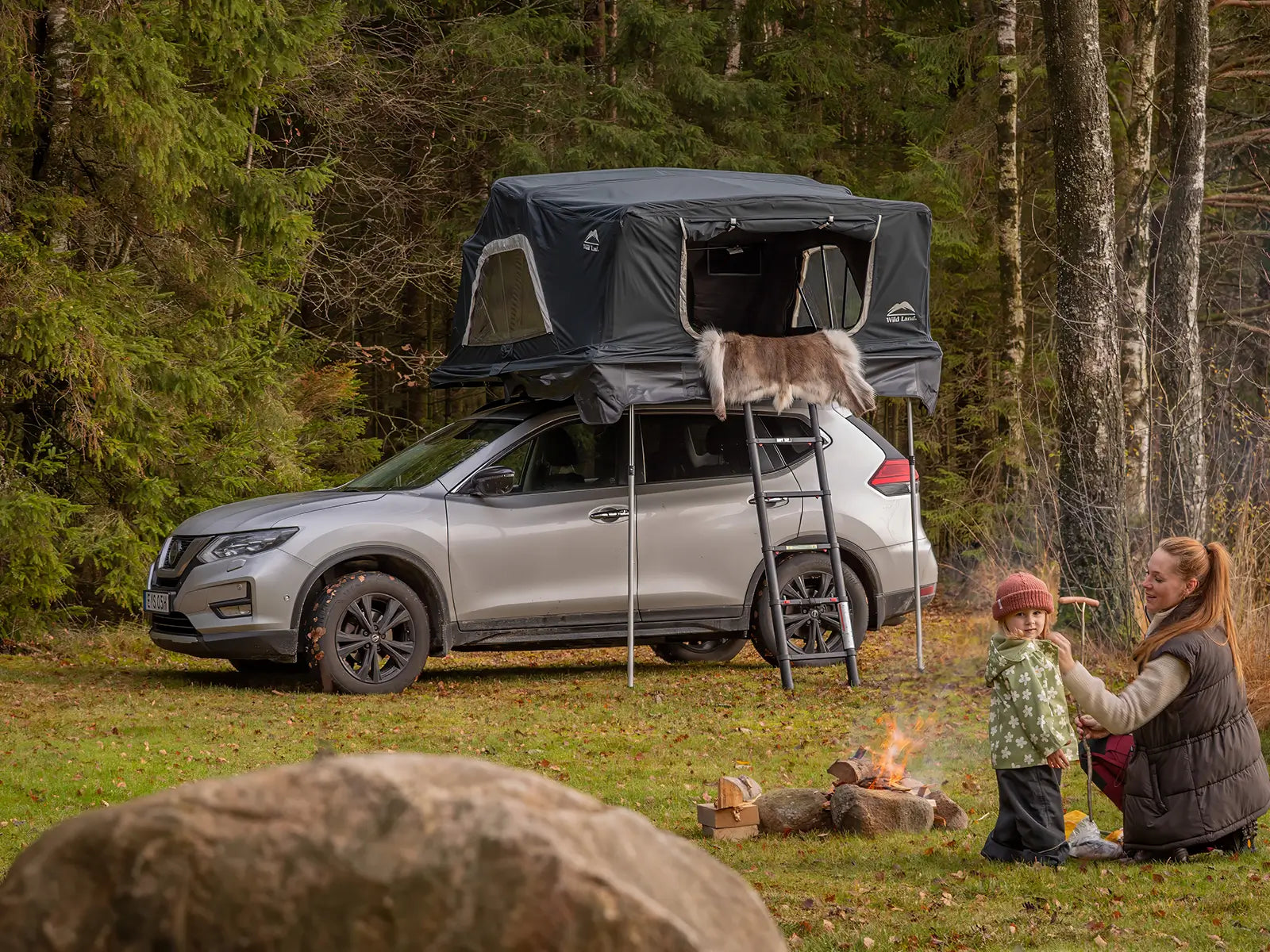
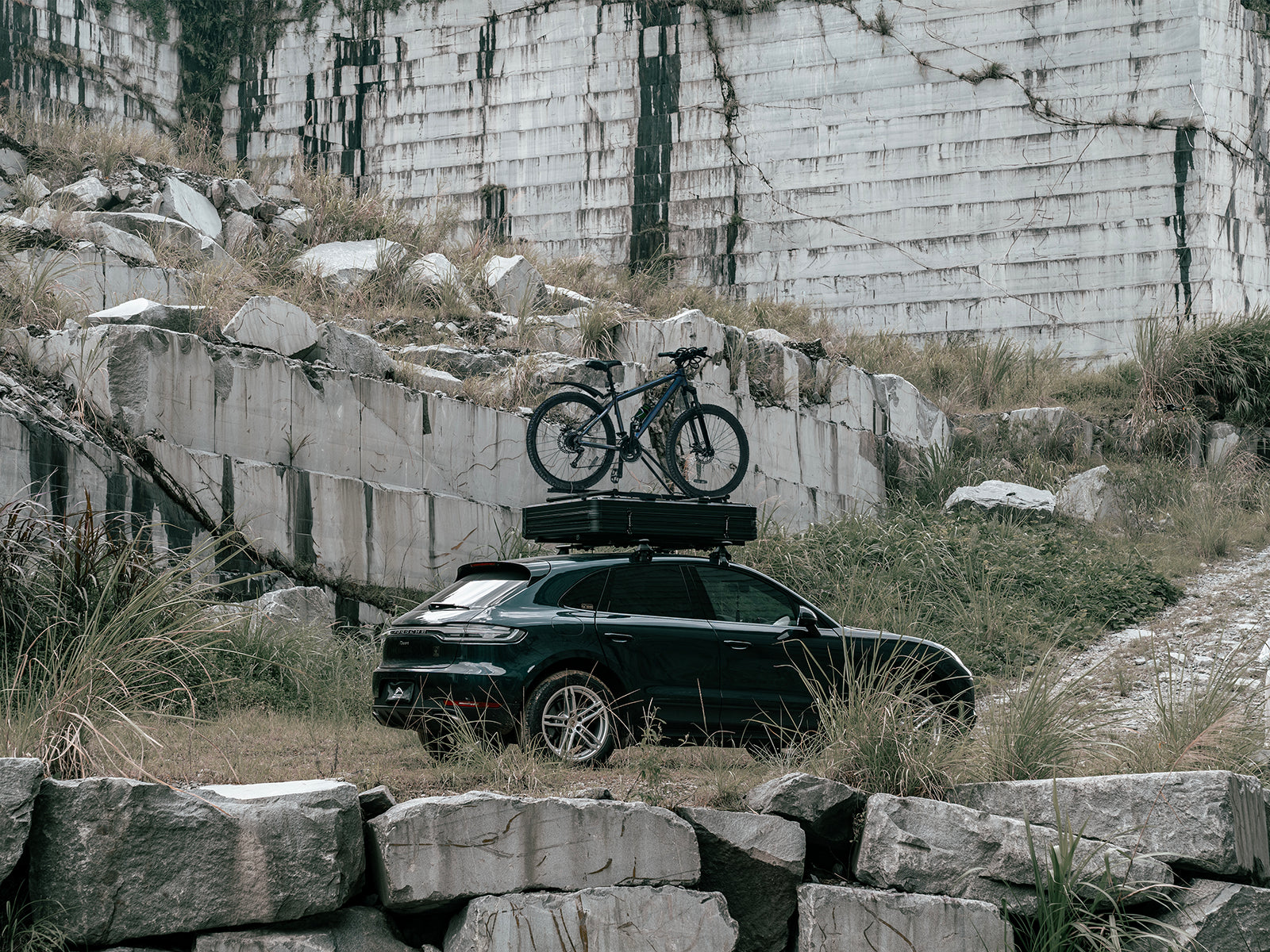
For families, we recommend the Voyager Pro 230. It is a large hardshell rooftop tent suitable for 4-5 people, with built-in inner insulation, setup and pack-down in around 2 minutes, and included support poles for extra stability. When closed, it can also carry extra gear on top, such as bikes, solar panels or other travel equipment.
Which rooftop tent is best for two people?
For two people, one of our most popular choices is the Wild Land Desert Cruiser V2 130. It is an upgraded version of Wild Land's classic hardshell rooftop tent, designed for two people, only 19 cm high when closed, and able to carry extra equipment on top.
What is the difference between hardshell and softshell rooftop tents?
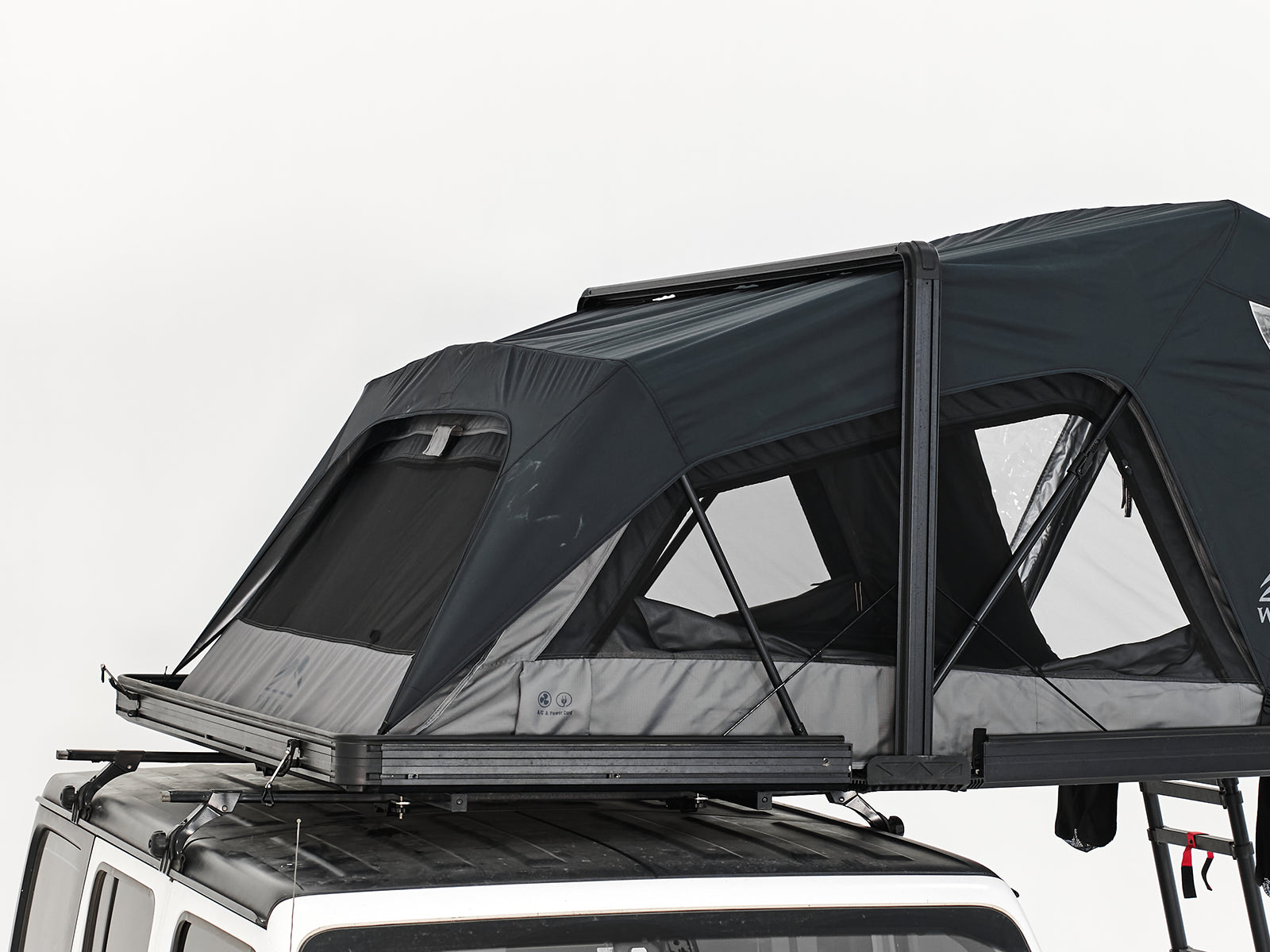
Hardshell rooftop tents are faster to open and close, usually more aerodynamic when closed, and better protected during travel because the tent fabric sits inside a hard shell. Softshell rooftop tents are often lighter, more flexible and can offer a larger sleeping area for the price, but they take longer to set up and need more drying and maintenance after rain.
Which is your most sold rooftop tent?
Wild Land is one of the best-selling rooftop tent brands in Sweden, and the Voyager Pro 230 is our most sold model. It is popular because it offers family-sized space, fast hardshell setup, built-in insulation and the ability to carry extra gear on top.
Can I leave bedding inside the rooftop tent?
In many rooftop tents, you can leave thinner bedding or sleeping bags inside when the tent is closed, but it depends on the model and how thick the bedding is. Avoid forcing the tent shut, as this can damage the fabric, zippers or shell. Make sure bedding is dry before closing the tent.
Car & Roof Racks
The most important things to check before mounting a roof tent.
Will a rooftop tent fit my car?
Most cars can use a rooftop tent if the car's dynamic roof load capacity is high enough and you use compatible roof racks. Check your car manual, the roof rack's max load and the tent weight. If you are unsure, contact us and we can help check your specific car model.
What roof racks do I need for a rooftop tent?
You need strong roof racks with enough load capacity for both the tent and the roof racks themselves. Square-profile roof bars are usually easiest to use, and aerodynamic bars such as Thule WingBar Evo can also work well. Avoid low-profile roof bars and roof racks that clamp in the door frame when possible.
How much roof load capacity do I need?
Most rooftop tents require a car and roof rack system with around 70-100 kg dynamic roof load capacity, depending on the tent model. Remember that the roof rack weight, often around 3-7 kg, also counts toward the total roof load while driving.
What is the difference between dynamic and static roof load?
Dynamic roof load is the maximum weight your car roof can carry while driving. This is the number you must check before mounting a rooftop tent. Static roof load is the weight the car can handle when parked, and it is usually much higher, which is why people can sleep in the tent when the car is stationary.
Can I mount a rooftop tent on factory roof rails?
Sometimes, yes, but it depends on the car and rail system. Factory roof rails usually need compatible crossbars mounted on top, and both the rails and crossbars must be rated for the tent weight. You also need enough clear roof bar space for the tent's mounting rails.
Can I use a rooftop tent on an electric car?
Yes, many electric cars can use rooftop tents if their roof load capacity and roof rack system are suitable. Popular electric cars such as Volkswagen ID.4, Kia EV6, Audi e-tron and Skoda Enyaq can often work, depending on the exact model and roof rack setup. Always check the car manual and roof rack specifications before mounting.
Use & Care
Practical answers about installation, weather, condensation and maintenance.
How do I install a rooftop tent?
First check that your car and roof racks can handle the tent weight. Mount the roof racks securely, lift the tent onto the bars with two people, center it on the car and attach it using the included mounting hardware. Tighten all bolts properly without over-tightening, and check that the tent cannot move before driving.
Do you offer installation for rooftop tents?
Yes. When you add a rooftop tent to your cart, you can book installation at our store in Kungsbacka right away – choose a date and time, or book the time later. Our technicians mount the tent correctly and safely, check the fittings, and give you advice on care and maintenance. Installation costs 499 SEK, and you select "Pick up" as the delivery method at checkout to avoid the shipping fee.
Can I pick up my rooftop tent in store?
Yes. If you prefer to install the tent yourself, you can choose free in-store pickup at our store in Kungsbacka. Add pickup to your cart, book a time that suits you and select "Pick up" as the delivery method at checkout. We'll have the tent ready at your booked time and help you load it.
Can I use a rooftop tent in winter?
Yes, many rooftop tents can be used in winter if you prepare properly. Use warm sleeping bags, good insulation and make sure the tent is well ventilated to reduce condensation. Hardshell tents and models with insulation or inner tents are often better suited for cold and wet conditions.
How do I avoid condensation in a rooftop tent?
Condensation is reduced by keeping good airflow through the tent. Keep windows or vents slightly open, choose a dry campsite with air circulation, avoid storing wet clothes inside, and air out the tent before packing it away. An anti-condensation mat under the mattress can also help by creating airflow and reducing trapped moisture.
How do I care for and clean my rooftop tent?
Clean your rooftop tent with lukewarm water and mild soap when needed. Avoid harsh chemicals. Always let the tent dry fully before closing it for storage, especially after rain or condensation. Check zippers, fabric, mounting points and bolts regularly.
How fast can I drive with a rooftop tent?
Always follow the recommendations from the car, roof rack and roof tent manufacturers. A common recommendation is to drive no faster than around 110 km/h with a roof tent mounted, but always adjust your speed to wind, road conditions and load.
Wild Land & Overland Experten
Questions about the brand, our store and why customers choose us.
Who are Wild Land?
Wild Land is one of the world's largest manufacturers of rooftop tents and car camping equipment. They have manufactured rooftop tents for more than 20 years and also produce tents for major brands around the world. Overland Experten is the exclusive distributor for Wild Land in Sweden, Denmark and Norway.
Why should I choose Wild Land rooftop tents?
Wild Land is one of the largest rooftop tent manufacturers in the world, with an advanced factory, long experience and extensive testing for safety, durability and weather resistance. Another major advantage is spare parts availability: Wild Land can provide replacement parts for almost every detail of the tent, making long-term ownership easier.
Are you an official Wild Land distributor?
Yes. Overland Experten is the official and exclusive Wild Land distributor for Sweden, Denmark and Norway. We help customers with product advice, spare parts, warranty questions, installation and model selection.
Can I see the rooftop tents before buying?
Yes. You can visit our showroom in Kungsbacka, Sweden, just south of Gothenburg. There you can see Wild Land models in person, compare sizes and get personal advice from our team.
Shipping, Returns & Warranty
Buying information before and after your order.
How long does delivery take?
Normal delivery time is usually 3-5 business days from the time you place your order. Order handling normally takes place within 24 hours on weekdays. Delivery time can vary depending on your country, carrier and product size.
Do you provide tracking information?
Yes. When your order has been shipped, you will receive a tracking link by email so you can follow your delivery. If you have not received tracking information within two business days, please contact us and we will help you.
What warranty do you offer?
We offer a 2-year warranty on our entire range. The warranty covers material and manufacturing defects, such as faulty seams, zippers, mechanical parts or electronic components under normal use. It does not cover normal wear, accidents, incorrect installation, improper handling or lack of care.
What is your return policy?
You have 30 days to return an order after receiving it. Products must be complete, unused and in brand-new condition. You pay a fixed return fee based on the product and delivery country. Always contact us before returning a roof tent; it must be returned in its original packaging and you are responsible for damage during return transport.
What should I do if my product is damaged during delivery?
Inspect your package as soon as you receive it. If the packaging is damaged, ask the carrier to note the damage before you accept or sign for the delivery. Then contact us with your order number, a description of the issue and photos of the packaging and product damage, so we can help you with the next steps.
Do you ship internationally?
We deliver to Sweden, Denmark and Finland with fixed shipping rates. For deliveries to other EU countries, please contact us before ordering so we can provide a freight quote and check the best delivery solution.