How to avoid condensation in your roof tent
Avoiding condensation in a roof tent can be challenging, especially when the weather is cold or humid. Condensation occurs when moisture in the air forms water on the inside of the tent, which can make the sleeping environment wet and uncomfortable. Fortunately, condensation problems can be reduced through some simple preventive measures and good planning. Here we explain why condensation occurs and provide both basic tips for beginners and more advanced solutions for experienced campers, so you can stay dry and comfortable in your roof tent.
 Key Takeaways
- ✓Each person exhales up to 1 liter of water vapor per night
- ✓Good ventilation is key – keep windows/vents open
- ✓Use an anti-condensation mat under the mattress for airflow
- ✓Store wet clothes and shoes outside the tent
- ✓Always dry the tent before packing to prevent mold
Why does condensation occur in roof tents?
What is condensation?
Condensation occurs when warm, moist air inside the tent meets a cold surface, causing the water vapor to cool down and turn into liquid. In a roof tent, this usually happens at night when the outside temperature drops, and you may see small water droplets on the tent fabric, roof and walls.
Sources of moisture
The humidity in the tent mainly comes from yourself and your equipment. Each person exhales up to one liter of water vapor during a night, which raises the humidity inside the tent. Wet clothes, shoes or equipment brought into the tent also release moisture as they dry. Additionally, the natural outdoor humidity contributes – camping near lakes or streams with humid air increases the risk of condensation compared to drier locations.
Problems caused by condensation
If a lot of moisture condenses, the inside of the tent can become quite wet – sometimes it may even look like the tent is leaking water. The droplets can fall onto sleeping bags and clothes, making them wet and therefore less insulating. A wet sleeping bag provides poor warmth, which means you start to freeze and sleep worse. Condensation that is left can eventually lead to mold and moisture damage to the tent fabric, which reduces the tent's lifespan and can damage your equipment.
Basic tips to minimize condensation
The best methods to prevent condensation are fortunately quite simple. The basic principles are to reduce the amount of moisture inside the tent and ensure that humid air is ventilated out before it has time to condense. Here are some basic tips that all roof tent users should know:
Choose a dry and airy campsite
Position the car with the roof tent in a place with good air circulation. Avoid humid areas with wet ground or where water collects, as high ground moisture more easily causes condensation. A place with a light breeze is ideal – if there's a gentle wind, it creates natural airflow through the tent when the ventilation openings are open, which helps keep the inside drier. Also avoid setting up camp right next to lakes, streams or wetlands during humid evenings, as the surrounding humidity is higher there.
Ventilate the tent – keep windows and vents open
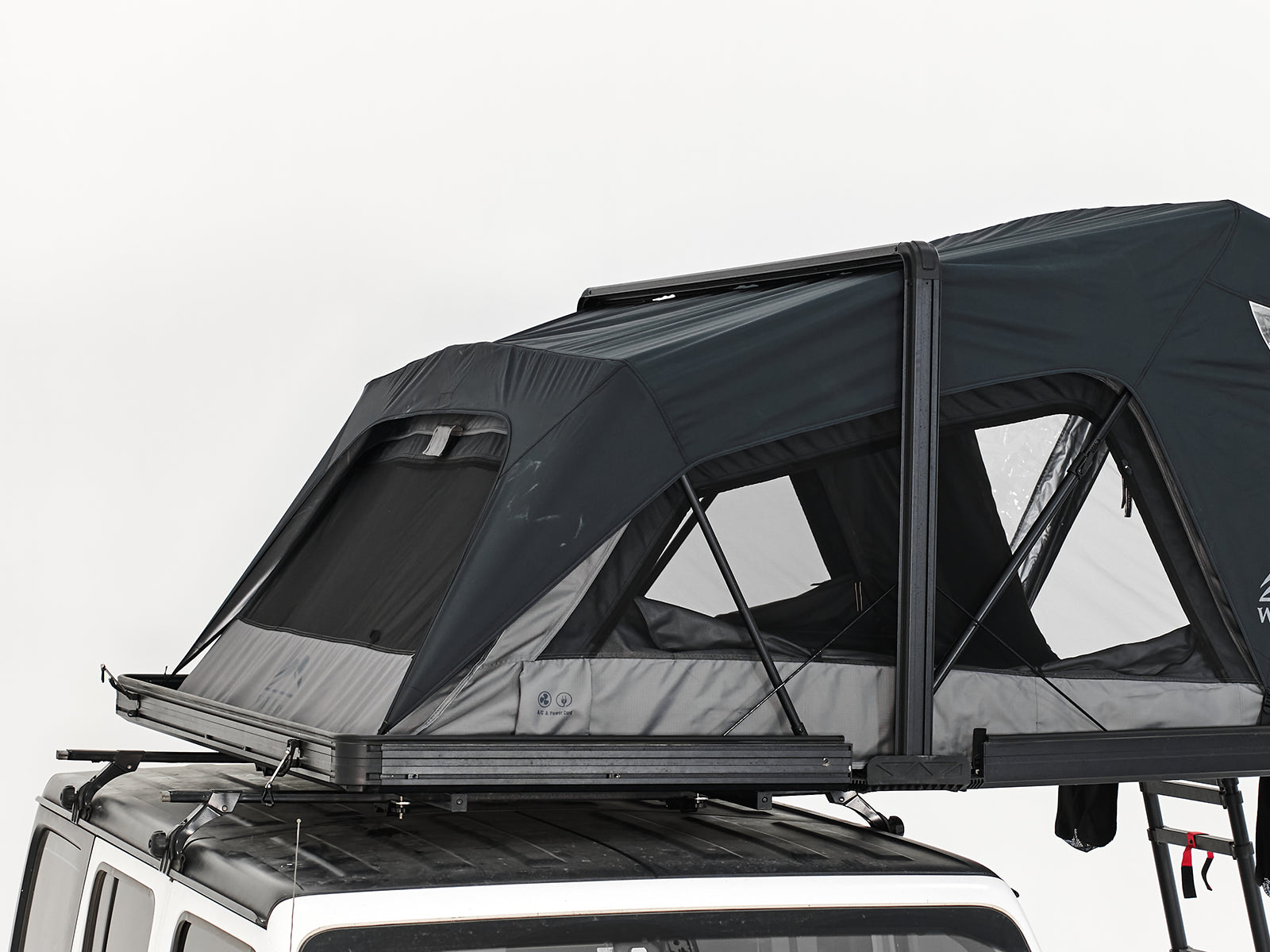
Good ventilation is key to preventing condensation. Always keep some ventilation openings or windows slightly open, even at night. Airflow allows humid air to escape before it condenses on cold surfaces. Preferably open the upper ventilation hatches or windows slightly, as warm, moist air rises and can more easily be ventilated out there. Remember that the more you open, the better the ventilation – but balance this against heat loss so it's still comfortable to sleep. If possible, position the tent so the openings face any wind; even a light breeze into the tent helps ventilate away the moisture.
Ventilate before bedtime
A good trick is to thoroughly air out the tent before going to bed. Open all ventilation hatches and doors for a while in the evening to release the moisture that has built up during the day. This way you start the night with drier air inside the tent. If the tent has multiple vents, open them on opposite sides to create cross-ventilation that quickly exchanges the air.
Don't bring unnecessary moisture into the tent
Store wet clothes, shoes and equipment outside the sleeping area. Hang wet clothes on a clothesline under an awning or in an annex, or put them in the car, so the moisture from the clothes doesn't evaporate inside the roof tent. You can store shoes in a shoe bag outside the tent or under the car (protected from rain) instead of bringing them in. By keeping such moisture sources outside, you reduce the amount of water vapor that would otherwise raise the indoor humidity.
Avoid cooking inside the roof tent
Cooking produces a lot of steam and can quickly make the indoor environment humid. If possible, cook outdoors under open sky or under a tarp/awning instead of inside the tent. If the weather is really bad and you have to cook in the tent, use lids on pots and pans to limit the amount of steam released. Also open ventilation hatches or windows when cooking, so the steam is ventilated out directly.
Keep sleeping bag and mattress away from cold tent walls
Make sure your sleeping bag, sleeping pad or mattress doesn't rest against the tent fabric. If they are in contact with the tent wall, they can become damp from condensation that forms there. Try to have a few centimeters of air gap between bedding and the tent fabric – for example by centering the mattress and keeping gear away from the walls.
Bring a microfiber towel
Despite preventive measures, it's not uncommon to have a thin layer of condensation on the tent walls on a chilly morning. Have a small towel handy to wipe the inside of the tent fabric, roof and floor in the morning. By quickly wiping away the water droplets, you prevent them from dripping onto your gear, and you remove as much moisture as possible from the tent before packing up.
Additional solutions to prevent condensation
If you still have problems with heavy condensation, or if you camp in extremely humid/cold conditions, there are more advanced measures and equipment that can help. These solutions are often used by experienced roof tent users to keep the tent dry:
Use an anti-condensation mat
An anti-condensation mat under the mattress is an effective tool for combating condensation. The mat – often made of a special mesh material – creates a small air gap between the mattress and the tent floor that allows air to circulate and moisture to evaporate instead of being trapped. This extra ventilation layer helps transport moisture away from underneath and keeps both the mattress and tent floor drier. Additionally, the mat acts as thin insulation between the body and the cold floor. Many roof tent models today come with a built-in anti-condensation mat or have a floor fabric designed to breathe, specifically to minimize condensation risk.
Review the tent's construction and accessories
Some roof tents have double tent fabrics or inner tents that help against condensation. A separate inner tent (a loose inner canopy) can catch some of the moisture before it drips down on you. The material in the inner tent is often ventilating, which improves air circulation and lets moisture pass out to the outer tent instead of staying in the sleeping area. The tent's floor construction also matters – roof tents with ribbed or perforated bottoms let air in from below and keep the floor drier compared to completely smooth floors.
Use a battery-powered fan
A small USB fan or battery-powered fan in the tent overnight can significantly increase air circulation. By constantly moving the air, the fan pushes out humid air and draws in fresh, drier air from outside. This helps keep the humidity inside the tent lower so condensation doesn't form as easily. Place the fan near a door or ventilation opening where it can draw in fresh air from outside and create good airflow through the tent.
Dehumidifiers and desiccants
If you have access to power (e.g., via a portable power station), a small electric dehumidifier can be used in the tent. It draws moisture from the air overnight and collects water, which can noticeably reduce condensation. For a power-free solution, there are also chemical dehumidifier bags or silica gel packets available for purchase. These desiccants contain crystals that absorb moisture from the air. Place a couple of these packets in the tent – they can be there both overnight and when the tent is closed between trips to keep moisture down.
Heat source in cold climates
In cold conditions, using a tent heater can reduce condensation, as warm air can carry more moisture without it condensing. A diesel or propane-based heater that blows warm, dry air into the tent makes the air less humid and helps keep the tent walls above the dew point. Warning: If you use a portable heater, you must always follow safety guidelines – ensure there is ventilation so the oxygen isn't completely consumed and avoid gas appliances indoors without approved tent ventilation (carbon monoxide is deadly).
After the night – dry and air out the tent
No matter how careful you are with ventilation and aids, some condensation can occur. The most important thing then is to handle the moisture before it gets trapped and causes problems:
Air and dry out the tent immediately
In the morning, or as soon as you notice condensation, open up the tent completely and let it air out until it's dry. Leave doors and windows open for a while so sun and wind can do their work. If you're in a hurry and can't wait, at least make sure to open the tent and dry it within 24-36 hours after you get home. Packing up a tent that's wet from condensation and leaving it closed for more than a couple of days is a recipe for mold.
Remove wet items
Unpack all damp clothes, shoes and bedding from the tent as soon as possible in the morning. Let them dry separately. If you leave them inside when folding up, the trapped moisture will definitely worsen the condensation and risk spreading mold spores in the tent.
Air out the mattress
Feel the underside of the mattress when you've taken it out or opened up the tent – is it damp? If so, stand the mattress on its edge for a while in fresh air so it dries completely too. A wet mattress can otherwise start to smell musty and mold. By using an anti-condensation mat, you reduce the chance of the mattress getting wet underneath, but always check.
Wipe down the tent fabric
Use your towel or cloth to wipe away remaining droplets from walls, roof and floor when airing the tent. This speeds up the drying of the material. Be especially thorough in corners, seams and other places where moisture can hide.
Summary
Condensation in roof tents is somewhat inevitable – but with the right knowledge and measures, you can significantly minimize the problems. By understanding what causes condensation and using the combination of good ventilation, smart routines and specialized equipment, you can keep your tent drier and more comfortable. For beginners, following the basic tips about ventilation and keeping moisture out goes a long way, while experienced roof tent users can also invest in solutions like anti-condensation mats, fans or dehumidifiers when needed. With a condensation-free indoor environment, you sleep better, your gear stays in better condition – and your roof tent gets a longer lifespan.
Related Guides
Explore our range
Have questions about condensation or roof tents? Contact us and we'll help you.